The single most common thing we hear from couples after their wedding weekend is some version of: “I’m so glad we didn’t do this in one day.” It comes up unprompted, usually at brunch on Sunday morning, while people are still around. The other thing we hear, from couples comparing notes with friends who did a Saturday-only wedding, is: “Why doesn’t everyone do it this way?”
Here’s the case for the three-day wedding, in case you’re still trying to decide.
What a three-day wedding actually looks like
At our place — and most weekend-rental venues in Eastern Washington — a typical three-day wedding looks something like this:
Friday afternoon: settle in
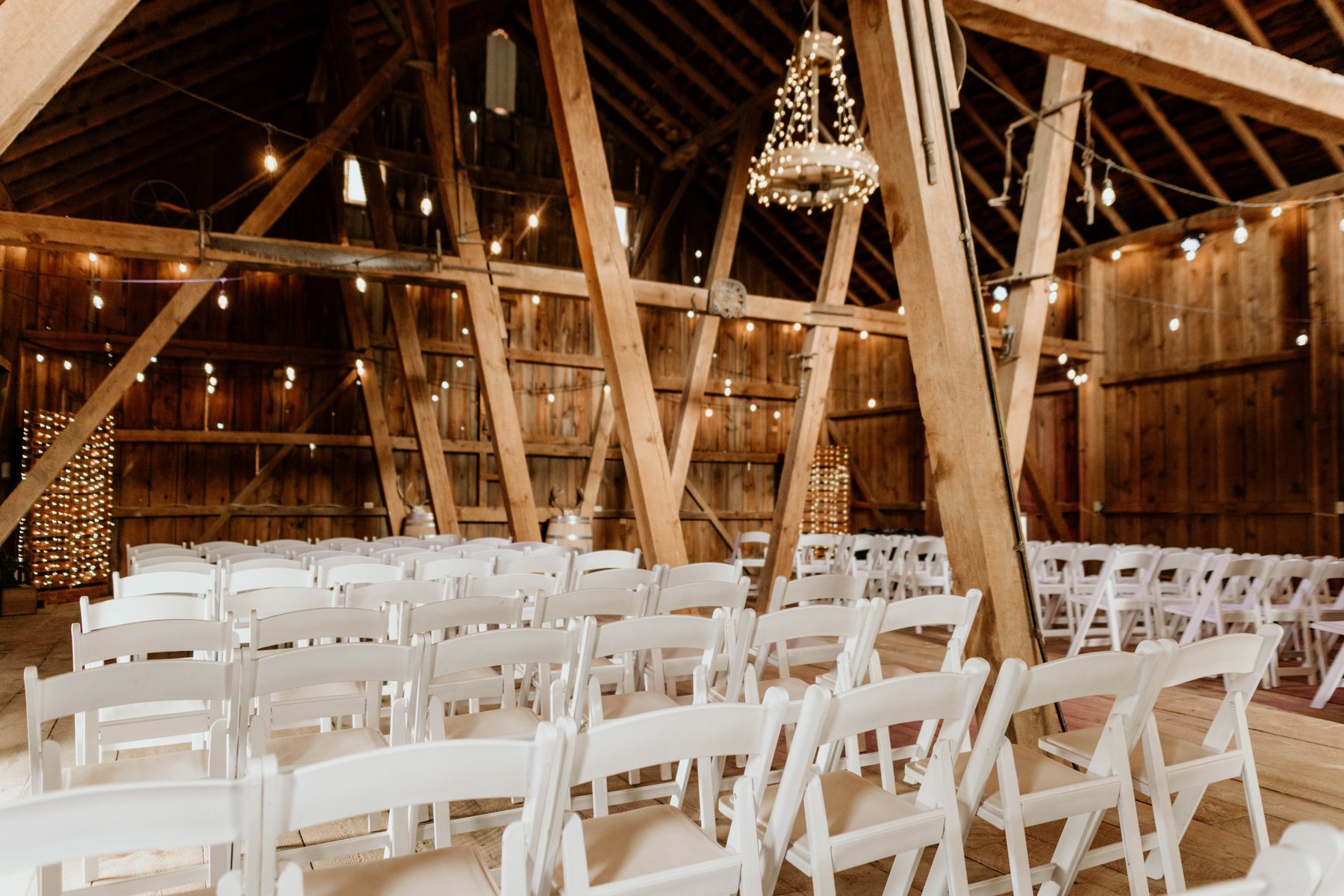
You arrive around 2 or 3 PM. The wedding party — and often immediate family — meets you on the property. You unload, get the keys to your suites, walk the spaces, set up the barn how you want it. The afternoon is quiet. You’re not racing anyone.
Friday evening: rehearsal, dinner, fire
Most couples do rehearsal in the late afternoon — call it 4 or 5 PM — followed by a casual rehearsal dinner. At our place, that’s often pizza or barbecue cooked on-site. The night usually ends around a campfire, with the people closest to you, under a sky that on a clear night shows the Milky Way clearly. Tents and trailers get set up. People sleep on property.
Saturday: the day
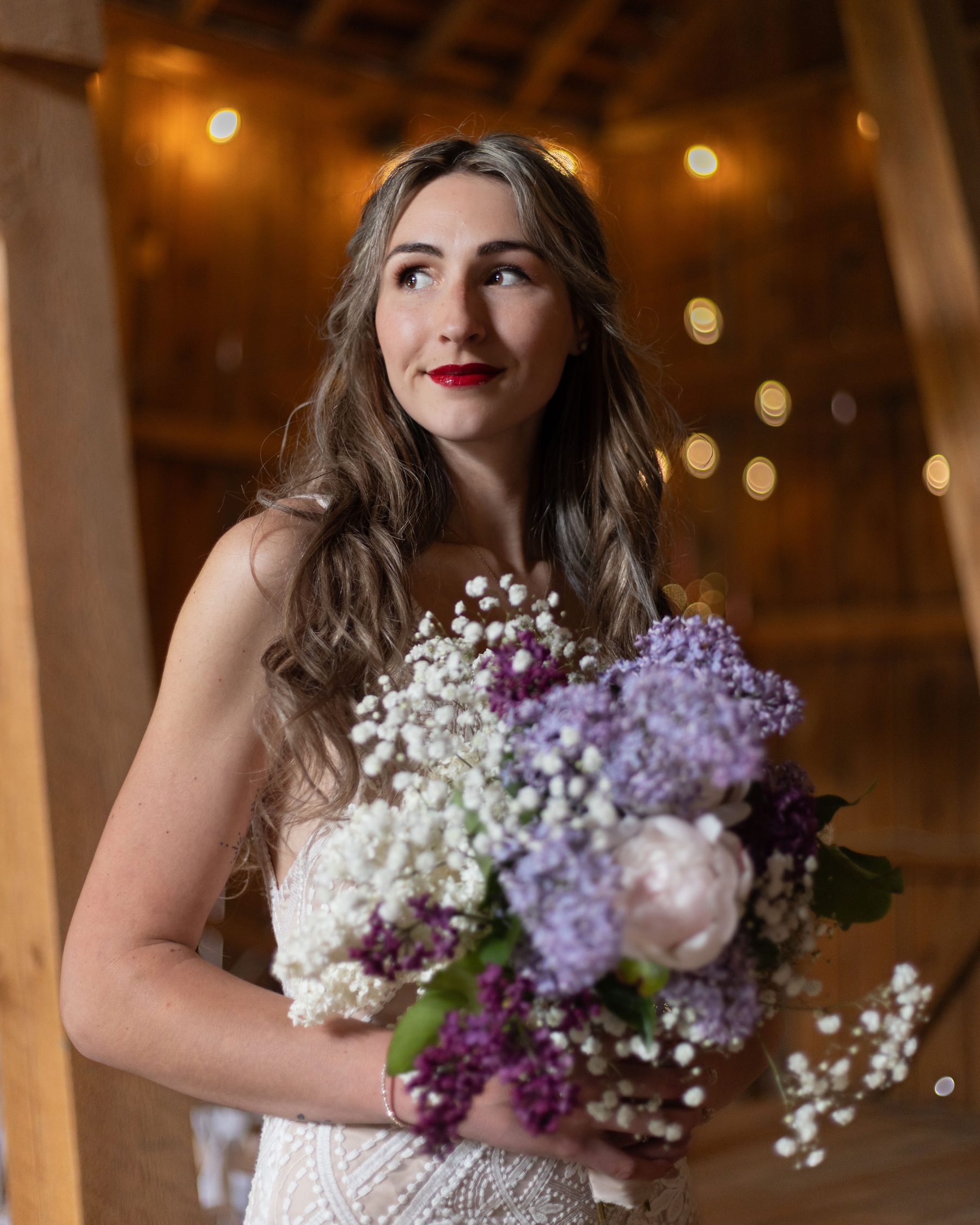
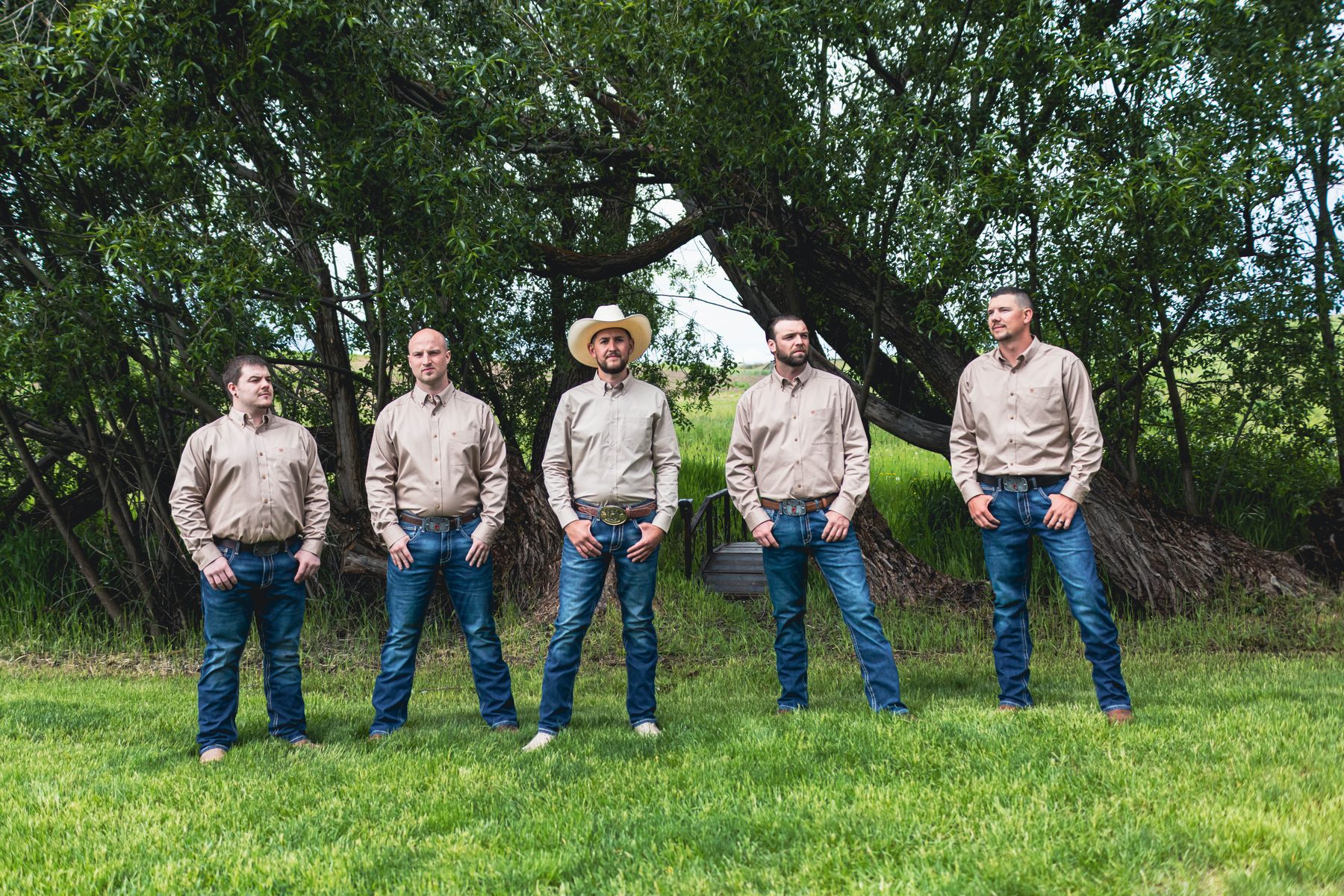
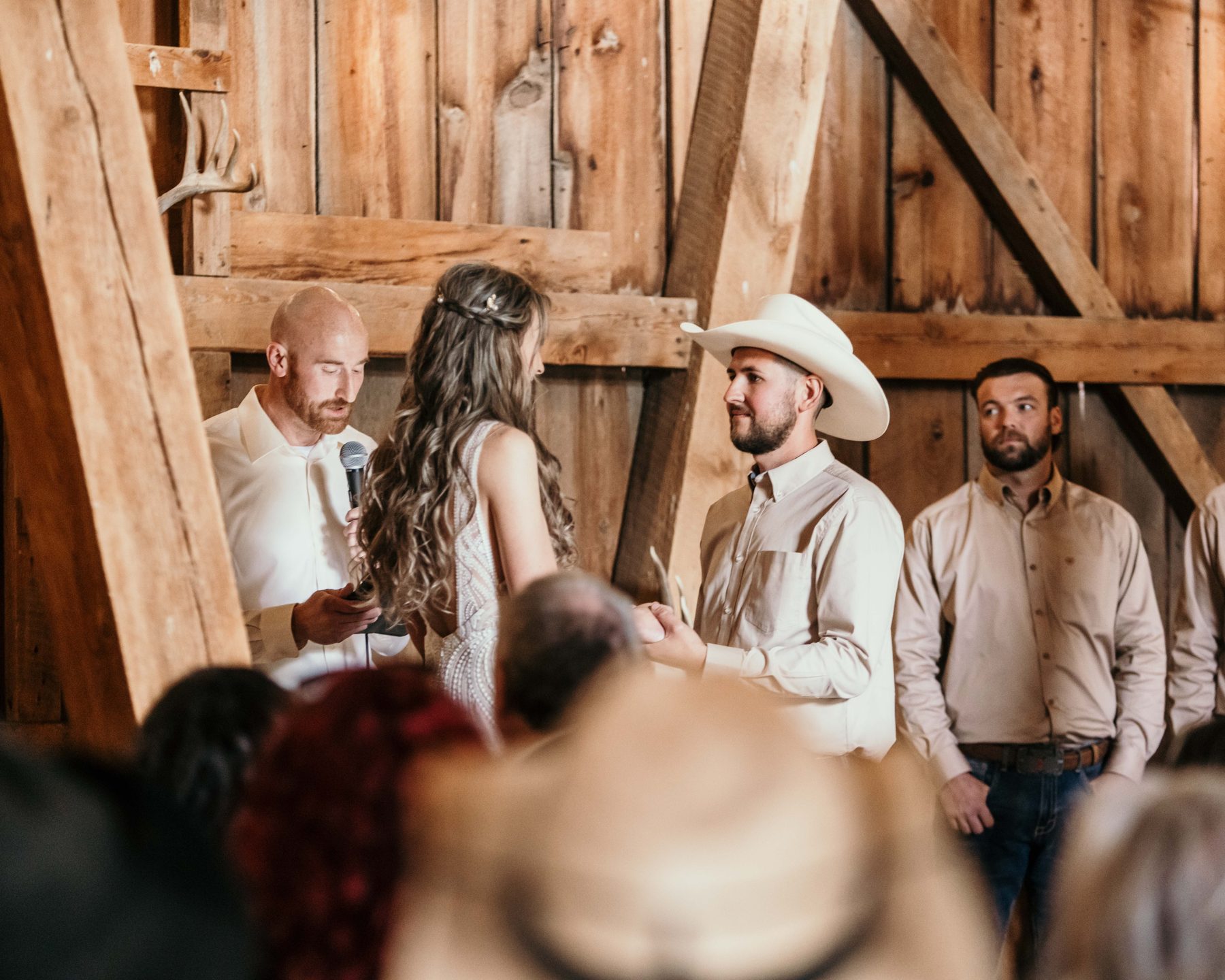
The wedding day itself runs the way you’d expect — breakfast in the suites, hair and makeup, photos, ceremony, cocktail hour, dinner, dancing. But with the rehearsal already out of the way and everyone already on-site, the morning is dramatically less chaotic. Vendors aren’t loading in from scratch. The wedding party isn’t rushing in from hotels. You wake up where you’ll be married.
Sunday morning: the part you’ll remember
This is the part nobody tells you about. Sunday morning — slow coffee, leftover cake, breakfast tacos, people in t-shirts, laughter that’s a little tired and a little richer than the night before — is the part of the wedding that comes up most often in thank-you notes. Saturday-only weddings don’t have a Sunday morning. Three-day weddings do.
What changes when you have time
The pace
Saturday-only weddings tend to feel like a sprint. Two hours of photos, one-hour ceremony, 30-minute cocktails, dinner, toasts, dancing, sparkler exit, lights out by midnight. Even when everything goes well, there’s a clock-watching quality to the day. Weekend weddings dilute that pressure. If you spend an extra 20 minutes on couple photos at sunset, nobody else loses anything.
Your guests get to actually see you
If you’ve been to a wedding where you barely got to talk to the couple, you know how this goes. With a weekend wedding, you have Friday night and Sunday morning specifically for the people who came from far away. The Saturday-night line at the bar becomes a smaller share of your total interaction.
Vendors are less stressed
Your caterer can prep on Friday. Your DJ can sound-check without an audience watching. Your florist can deliver in daylight. Most vendors who work weekend weddings prefer them — they can do their job at a sustainable pace, which means it’s better at the end.
The photos look different
This is a smaller thing but worth saying. Weekend weddings give you photos of moments that don’t exist in a one-day timeline — your parents talking by the fire on Friday night, your grandmother holding the dog on Sunday morning, two cousins laughing in pajamas with coffee. Those photos are often the ones couples frame.
What it costs (the real comparison)
The instinct is to think a three-day wedding is way more expensive. It’s usually less than you’d expect, and sometimes less than a comparable one-day wedding because of what it replaces.
Compared apples to apples:
- Venue rental: A weekend rental is usually 20–40% more than a same-venue Saturday-only — at Reed Ranch our Silver weekend rental is $4,800, comparable to a top-tier Saturday-only rental at some other Spokane-area venues.
- Rehearsal dinner: A weekend wedding eliminates the cost of a separate rehearsal dinner venue. That’s often a $1,500–$5,000 line item that disappears.
- Day-after brunch: Same. No restaurant reservation, no transportation. Bagels and coffee on-site.
- Hotel costs: If your venue allows camping, guest lodging gets cheaper for everyone. Out-of-town guests sleep on-site instead of in $200/night hotels.
- Transportation: No shuttles to and from a hotel for the rehearsal, the wedding, and Sunday breakfast.
For most couples, the three-day wedding is roughly cost-neutral compared to a fully-loaded Saturday-only wedding — sometimes a little cheaper, sometimes a little more, depending on guest count and what you would have done for the day-before and day-after events anyway.
Who shouldn’t do a three-day wedding
It’s not for everyone. Couples for whom it’s usually a bad fit:
- Very large weddings (250+) where you’re paying per guest for everything — the per-head economics get expensive fast
- Couples who don’t actually want to spend three days with their wedding guests (this is more common than you’d think — be honest with yourself)
- Weddings where most guests live within 30 minutes of the venue — the “weekend with people who flew in” dynamic doesn’t apply
- Couples for whom the time pressure of Saturday is the point — Saturday-only weddings can feel exciting in a way weekend ones don’t
What to ask if you’re considering one
If you’re looking at a venue that offers weekend rentals, ask:
- What time can we actually arrive on Friday? Some places say “Friday rehearsal” but won’t let you in until 5 PM.
- What time do we have to leave Sunday? You want enough margin to clean up at a human pace.
- Can guests sleep on property? If yes, where? What facilities are there?
- Can we have a rehearsal dinner on-site? Where? Can our caterer do it, or do we need a different one?
- Is there a Sunday brunch option? Self-serve, catered, BYO?
At Reed Ranch the answers are: Friday afternoon, Sunday at a reasonable hour, yes (anywhere you’d like to camp), yes (on-site, any caterer), and yes (we’ll help you arrange whichever works).
See our weekend packages or send us a note.